
Birdwatching in Chiltern, Victoria
Chiltern is widely regarded as one of the premier birdwatching destinations in southern Australia. Situated between the drier inland woodlands and the wetter mountain forests of North East Victoria, the region supports an extraordinary diversity of birdlife. More than 220 species have been recorded in and around Chiltern, with around 180 species considered residents or regular visitors throughout the year.
At the heart of this rich bird habitat is Chiltern-Mt Pilot National Park, a nationally significant area protecting one of Australia's last remaining Box-Ironbark forest ecosystems. This unique landscape of woodlands, wetlands, native grasslands and flowering eucalypts provides vital habitat for a remarkable range of species, from tiny woodland birds to soaring birds of prey.
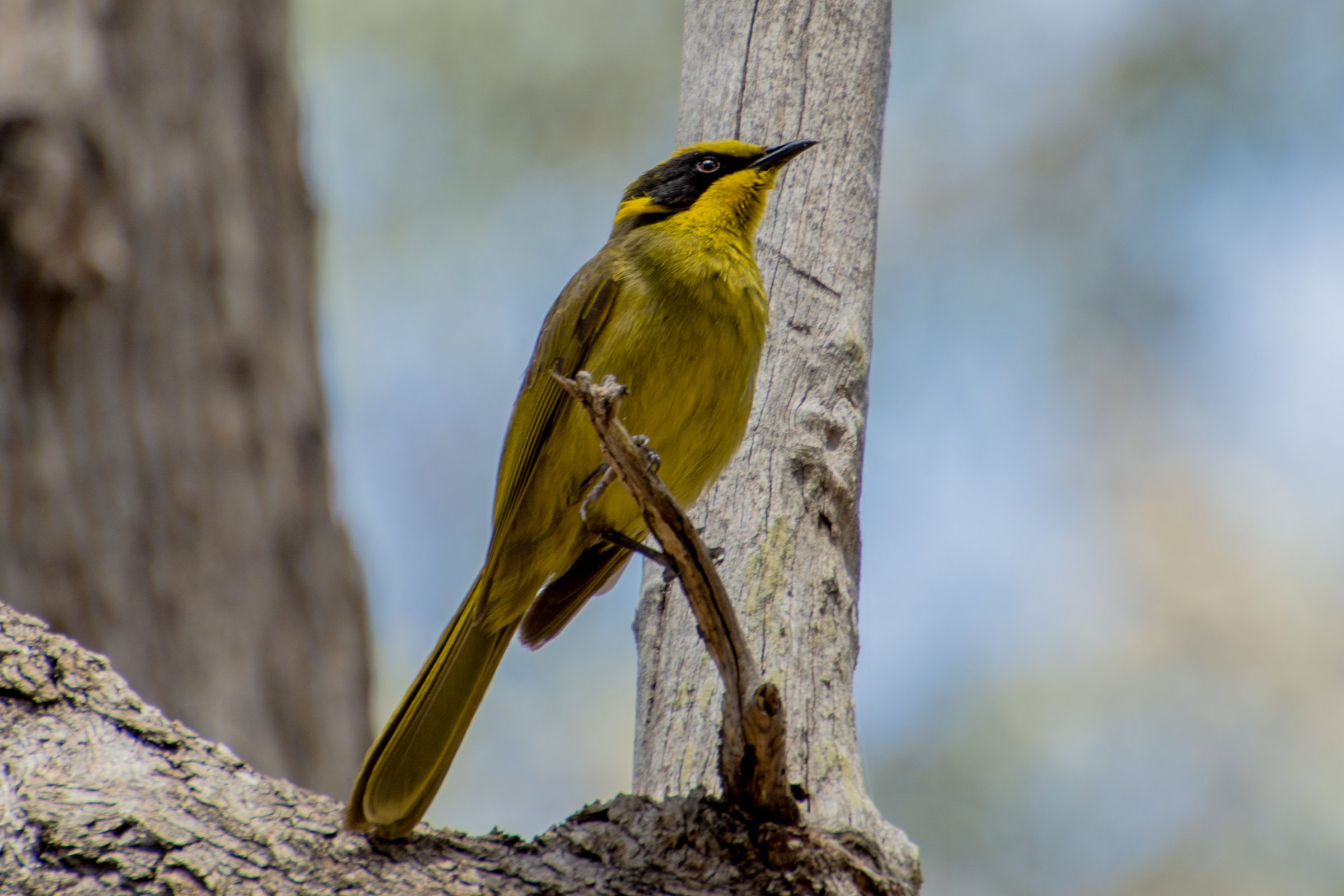
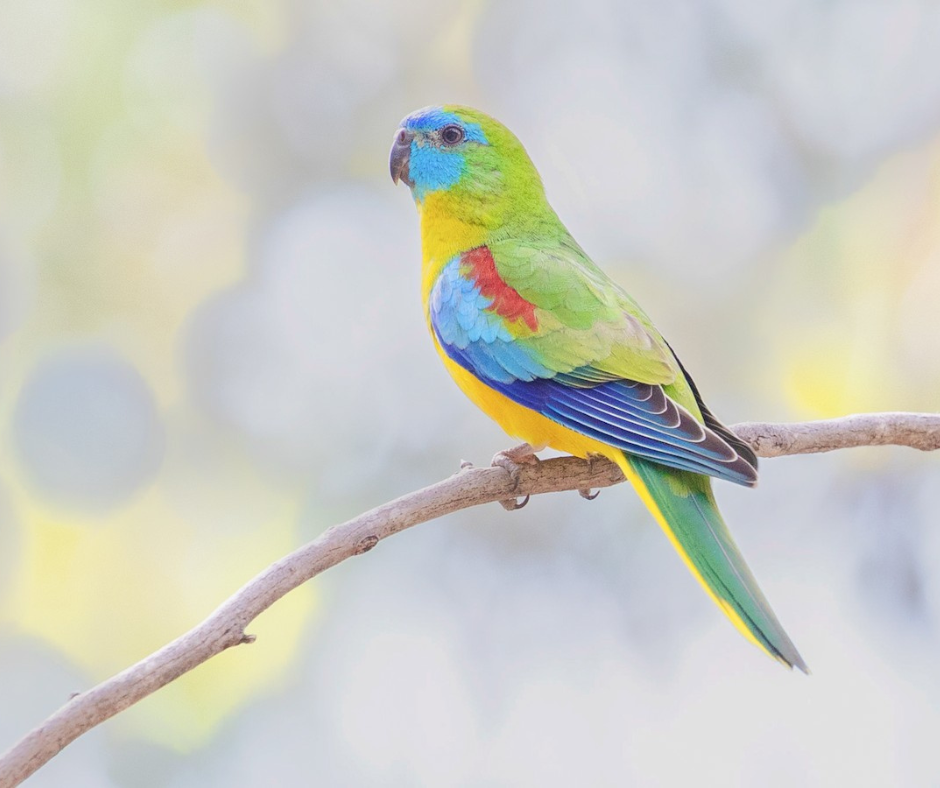
Birdwatchers travel from across Australia and overseas to search for some of the region's most sought-after species, including the critically endangered Regent Honeyeater, the migratory Swift Parrot, the colourful Turquoise Parrot and the elusive Square-tailed Kite. Many species that have declined elsewhere continue to find refuge within the protected forests of Chiltern-Mt Pilot National Park.
Beyond its ecological significance, Chiltern's accessibility makes it an exceptional birdwatching destination. Located just minutes from the Hume Freeway and within easy reach of Beechworth, Rutherglen, Albury-Wodonga and Wangaratta, it offers visitors the opportunity to experience world-class birdwatching alongside historic attractions, walking trails, accommodation, wineries and country hospitality.
To assist visitors in discovering the area's best birding locations, the Bird Trails of Chiltern guide by renowned naturalist Barry Traill is available free of charge from the Chiltern Visitor Information Centre. The guide highlights key birdwatching sites throughout the district and provides valuable insights into the species that can be found across the region.
Whether you're an experienced birder searching for rare and threatened species, or simply enjoy spending time in nature, Chiltern offers some of Victoria's most rewarding birdwatching experiences. With exceptional biodiversity, accessible habitats and outstanding opportunities throughout the year, it's easy to see why Chiltern has earned its reputation as one of Australia's premier birdwatching destinations.
Birdwatching through the seasons
One of the reasons Chiltern is so highly regarded among birdwatchers is that every season offers something different.
Spring (August to November)
Spring is widely considered one of the best times to visit. Woodland birds are highly active, wildflowers are abundant and many species are breeding. This is the peak season for spotting Turquoise Parrots, while critically endangered Regent Honeyeaters may also be present when flowering conditions are favourable. Birdwatchers can expect to encounter honeyeaters, robins, firetails, quail and a wide variety of woodland specialists.
Summer (December to February)
Warmer weather brings increased activity from migratory and insect-eating birds. Rainbow Bee-eaters arrive to breed, lorikeets take advantage of flowering eucalypts and local wetlands attract a variety of waterbirds. Early morning and late afternoon are often the most rewarding times for birdwatching during summer.
Autumn (March to May)
As the seasons change, nomadic species move through the forests following food sources. Raptors such as the Square-tailed Kite and Brown Goshawk can often be seen hunting above the Box-Ironbark canopy, while resident woodland birds remain active throughout the park.
Winter (June to August)
Winter is a favourite season among experienced birdwatchers. Flowering ironbarks attract large numbers of honeyeaters, creating some of the best woodland birdwatching in Australia. Swift Parrots arrive from Tasmania to feed on nectar-rich blossoms, while robins, babblers and treecreepers are commonly observed throughout the forest. Winter birdwatching can also offer opportunities to hear nocturnal species such as the Barking Owl.
Explore Chiltern's best birdwatching spots







Frequently Asked Questions
Why is Chiltern considered one of Australia's premier birdwatching destinations?
Chiltern is recognised as one of Australia's premier birdwatching destinations thanks to its remarkable bird diversity, high-quality protected habitat and location at the meeting point of two distinct ecological regions. More than 220 bird species have been recorded in and around Chiltern, making it a favourite destination for birdwatchers from across Australia and overseas.
What birds can I see in Chiltern-Mt Pilot National Park?
Chiltern-Mt Pilot National Park is home to a wide variety of bird species, including honeyeaters, robins, parrots, birds of prey, waterbirds and woodland specialists. Birdwatchers may encounter sought-after species such as the Regent Honeyeater, Swift Parrot, Turquoise Parrot and Square-tailed Kite.
When can I see Chiltern's most famous birds?
The best time to see Chiltern's iconic bird species varies throughout the year:
- Regent Honeyeater: Late winter to spring, when flowering ironbarks and White Box trees provide important feeding habitat.
- Swift Parrot: Autumn and winter (April to August), when they migrate from Tasmania to feed on flowering Box-Ironbark forests.
- Turquoise Parrot: Spring (August to November), during the peak breeding season when sightings are most common.
What is the best time of year for birdwatching in Chiltern?
Birdwatching is excellent year-round, with each season offering different highlights. Spring brings breeding activity and seasonal visitors, summer attracts migratory species and wetland birds, autumn sees nomadic woodland birds moving through the region, while winter is renowned for honeyeaters, robins and the arrival of Swift Parrots.
Where are the best birdwatching locations in Chiltern?
Many of the best birdwatching opportunities can be found throughout Chiltern-Mt Pilot National Park, including Box-Ironbark forests, wetlands, woodland trails and roadside birding locations. Visitors can collect a free copy of the Bird Trails of Chiltern guide from the Chiltern Visitor Information Centre to help plan their birdwatching adventure.
Do I need to be an experienced birdwatcher to enjoy Chiltern?
Not at all. Whether you're an experienced birder searching for rare species or a casual nature lover hoping to spot colourful parrots and native wildlife, Chiltern offers accessible birdwatching experiences suitable for all levels of interest and experience.